
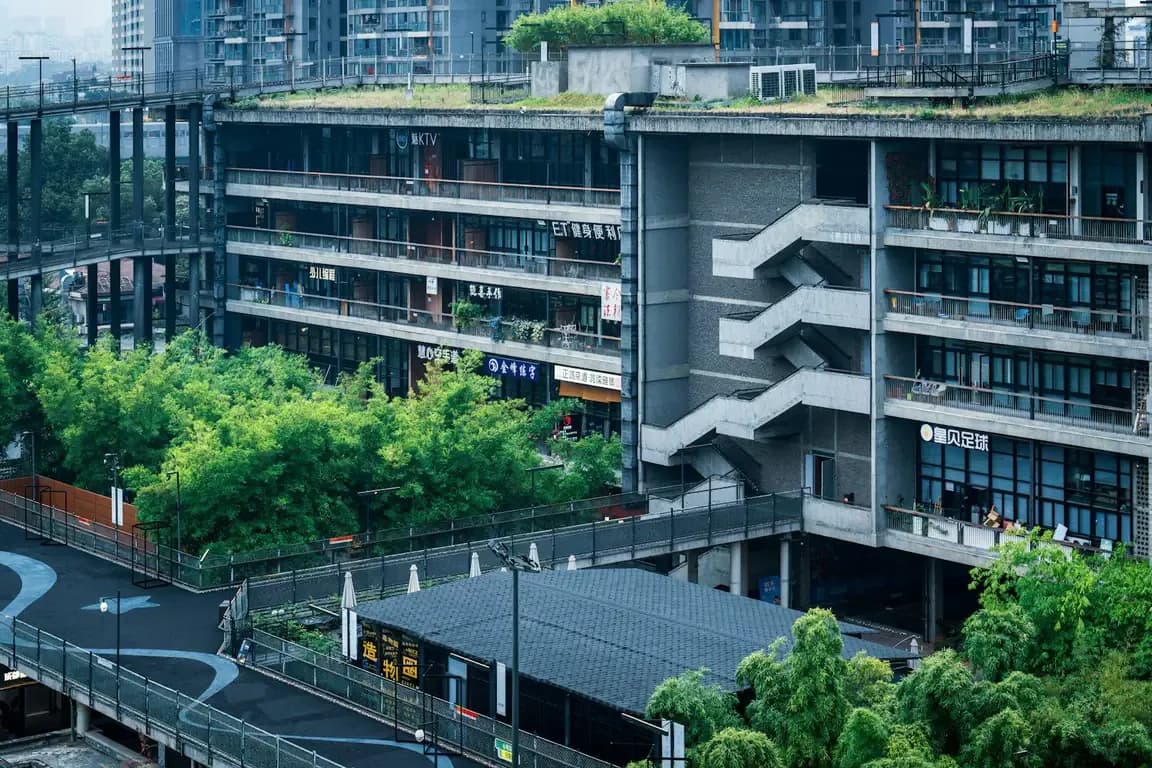
Sustainability Starts With Orientation
Before choosing a single green material, we look at how a building sits on its site, how the sun moves across it, where the prevailing breeze comes from. Getting orientation right reduces the energy a home will ever need to stay comfortable.
None of it costs extra at the drawing stage. Rotating a plan a few degrees or shifting a window to the shaded side is free while the design is still on paper.
Choosing Materials That Do Less Harm
Sustainable materials aren't just about recycled content. Local sourcing, low-emission finishes, and durability all factor into a material's real environmental cost over the life of a building.
Durability belongs in the same calculation. A surface that lasts twice as long halves everything that goes with replacing it, from transport to waste.
- Locally sourced material to cut transport emissions
- Low-emission finishes for healthier indoor air
- Durable surfaces that delay replacement
- Recycled or reclaimed content where structure allows
Designing for the Climate You're In
Deep overhangs, cross-ventilation, and shaded outdoor spaces borrow lessons from tropical architecture that predate mechanical cooling, and they still cut energy use significantly today.
In Jakarta that usually means designing for humidity as much as heat. Cross-ventilation and shaded openings do more for daily comfort here than insulation alone ever will.
Tropical architecture solved cooling long before mechanical cooling existed, and those lessons still hold.
The Landscape Is Part of the Building
Thoughtful landscape design does more than look good. Planted roofs, permeable paving, and strategic tree placement manage rainwater, cool the air around a home, and extend living space outdoors.
Planned together, the two reinforce each other. A courtyard can light and ventilate the rooms around it while doubling as the outdoor space the house would otherwise lack.
Water That Stays on Site
Permeable paving and planted beds let rain soak in rather than run straight to the drain, which eases pressure on the street system during heavy downpours.
Planting That Does Real Work
A tree placed on the western side does more for afternoon heat than any amount of added insulation, and it keeps working without maintenance or power.